Top 5 Home Improvement Projects to Finance in Florida This Year

Home improvement projects can significantly enhance the value and comfort of your Florida home. Whether you’re aiming to increase your property’s resale value, improve functionality, or simply create a more comfortable living space, financing can help you achieve your renovation goals. With the right financing, you can turn your dream renovation into a reality while ensuring it fits within your budget.

In this blog, we’ll explore the top 5 home improvement projects that Florida homeowners are investing in this year and provide insights on how to finance them. These projects will not only improve your home’s aesthetics but can also increase its value and efficiency.

1. Kitchen Renovations: The Heart of Your Home

The kitchen is often considered the heart of the home, and it’s one of the most popular areas for home renovations in Florida. Whether you’re looking to upgrade outdated appliances, install new countertops, or completely redesign the layout, a kitchen renovation is an excellent investment. A modern, functional kitchen can enhance your home’s appeal and make cooking and entertaining easier and more enjoyable.

Why finance your kitchen renovation?

  • Increase Home Value: Kitchen remodels provide a high return on investment, often recouping a significant portion of the renovation cost when you sell.
  • Energy Efficiency: Upgrading to energy-efficient appliances and fixtures can reduce long-term utility costs.
  • Enhanced Functionality: A well-planned kitchen remodel can improve the flow of your space, making cooking and hosting more efficient.

Financing Tip: You may want to consider a Home Equity Loan or HELOC if you have significant equity in your home. These options typically offer lower interest rates and can be a great way to cover the cost of a major kitchen overhaul.

2. Bathroom Remodels: Revitalize Your Personal Space

A bathroom remodel is another home improvement project that can add significant value to your Florida home. Whether you’re looking to add a spa-like atmosphere with a new soaking tub or increase functionality with a larger shower, upgrading your bathroom can improve your quality of life. A well-designed bathroom is not only a sanctuary but also a major selling point when it comes to real estate.

Why finance your bathroom remodel?

  • Increase Resale Value: A renovated bathroom can increase your home’s value, especially if it’s outdated or cramped.
  • Comfort and Luxury: Adding features like a rainfall shower or heated floors can enhance your comfort and make your bathroom feel more luxurious.
  • Functionality: If your bathroom is small or inefficient, a remodel can improve storage and overall usability.

Financing Tip: Personal loans or a Home Equity Line of Credit (HELOC) may be ideal for financing a bathroom renovation, especially if the project is smaller or if you prefer flexible borrowing terms.

3. Outdoor Living Space: Create Your Florida Oasis

Florida’s sunny weather makes outdoor living spaces a top priority for many homeowners. Creating a beautiful outdoor living area can extend your living space, allowing you to enjoy the outdoors year-round. Whether you’re adding a patio, building a pool, or installing an outdoor kitchen, financing your outdoor renovation can help you turn your backyard into a luxurious retreat.

Why finance your outdoor living space?

  • Increased Home Value: An upgraded outdoor living area can increase the overall value of your property, especially in Florida where outdoor living is a major selling point.
  • Entertainment Potential: An outdoor kitchen, fire pit, or pool provides ample space for entertaining guests and enjoying family gatherings.
  • Energy Savings: Landscaping and outdoor features such as shade structures or energy-efficient lighting can also help reduce energy costs.

Financing Tip: For large outdoor renovations, a Home Equity Loan or HELOC can provide the necessary funds at a lower interest rate. If your project is smaller, a personal loan may be sufficient to cover the costs.

4. Energy-Efficient Upgrades: Save Money and the Environment

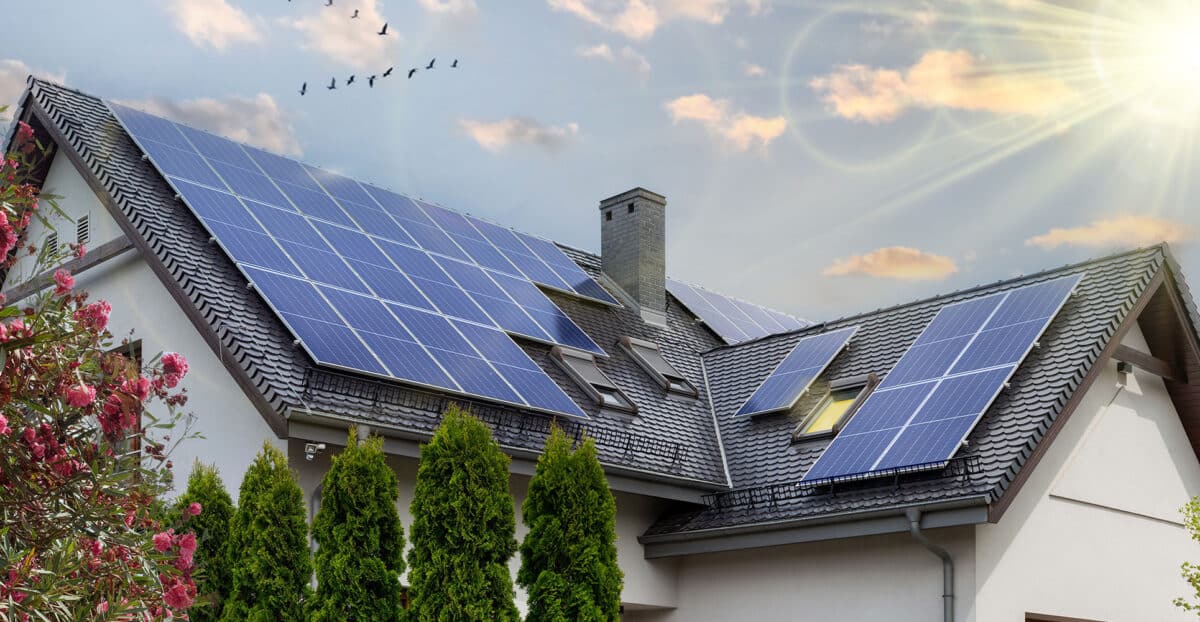
As energy prices continue to rise, Florida homeowners are increasingly investing in energy-efficient upgrades to reduce utility bills and their environmental impact. These upgrades include things like new windows, energy-efficient appliances, solar panels, and better insulation. Not only do these improvements reduce your carbon footprint, but they can also save you money in the long run.

Why finance energy-efficient upgrades?

  • Lower Utility Bills: Energy-efficient windows, appliances, and insulation can lower your monthly energy bills significantly.
  • Increase Property Value: Energy-efficient homes are increasingly in demand, and potential buyers are willing to pay more for homes with these upgrades.
  • Environmental Benefits: By reducing energy consumption, you’re making a positive impact on the environment while also reducing long-term costs.

Financing Tip: A Personal Loan can be a good choice for financing smaller energy-efficient upgrades, while a HELOC or Home Equity Loan might be more suitable for larger projects such as solar panel installations or whole-house upgrades.

5. Roof Replacements: Protect Your Home and Family

In Florida, where severe weather and storms are common, having a sturdy, reliable roof is crucial to protecting your home. If your roof is aging or has been damaged by a storm, replacing it is essential to maintain the integrity of your home. A new roof not only provides better protection but also improves your home’s curb appeal and can lower your home insurance premiums.

Why finance your roof replacement?

  • Protection from Storms: Florida’s unpredictable weather makes a strong, reliable roof crucial to protect your home and belongings.
  • Increase Home Value: A new roof is a valuable investment that adds to your home’s resale value.
  • Insurance Savings: A new roof may qualify you for discounts on homeowners insurance, making the investment even more worthwhile.

Financing Tip: Since roof replacements can be expensive, a Home Equity Line of Credit (HELOC) or Home Equity Loan can be a great way to finance this type of project with lower interest rates. If you don’t have enough equity, a personal loan may be a good alternative.

Financing Your Home Improvement Projects

Home improvements are a great way to enhance the comfort, functionality, and value of your Florida home. Whether you’re planning a major kitchen remodel, creating an outdoor living space, or upgrading your home’s energy efficiency, securing the right financing is crucial to ensuring your project stays within budget and is completed successfully.

At Express Financing Solutions, we specialize in helping Florida homeowners access customized financing options for all types of home improvement projects. Our partnerships with trusted contractors ensure that you get the best possible rates and terms on the market, making it easier to transform your home into the space of your dreams.

If you’re ready to finance your next home renovation, contact us today to learn more about your financing options. Let’s work together to bring your vision to life this year!

5 Tips for Securing the Best Home Improvement Financing Rates in Florida

Home improvement projects can be incredibly rewarding, but they often require financing to make your dreams a reality. Whether you’re renovating your kitchen, adding a sunroom, or upgrading your bathroom, getting the best financing rate can make a huge difference in the overall cost of your project. In Florida, where homeowners are constantly investing in their properties due to the dynamic real estate market, securing favorable financing rates is key to maintaining your budget while enhancing your home.

If you’re looking for the best home improvement financing rates in Florida, you’re in the right place. Here are five essential tips that can help you secure the best possible financing terms for your next home renovation project.

1. Check Your Credit Score Before You Apply

Your credit score plays a major role in the interest rates you’ll be offered for home improvement loans. Lenders use your credit score to assess your risk as a borrower—higher scores typically lead to lower interest rates because they suggest you’re a reliable borrower. In contrast, a lower credit score may result in higher rates or difficulty qualifying for a loan.

Tip: Before you apply for financing, check your credit report and score. If your score is below 700, consider taking some time to improve it. Pay down high-interest debts, correct any errors on your credit report, and avoid making large purchases on credit. The higher your credit score, the better the financing rates you can access.

Resources:

  • Request a free credit report from each of the three credit bureaus—Experian, Equifax, and TransUnion—once a year through AnnualCreditReport.com.
  • Use credit score tracking services to monitor your progress and improve your score over time.

2. Shop Around for the Best Rates

Don’t settle for the first loan offer you receive. It’s essential to shop around and compare different financing options from a variety of lenders, including banks, credit unions, online lenders, and even home improvement companies like Express Financing Solutions.

Tip: Compare interest rates, terms, fees, and other important factors such as prepayment penalties or late fees. Lenders may offer different types of loans (home equity loans, personal loans, HELOCs, etc.), each with its own advantages and disadvantages. Take the time to explore these options to ensure you get the best deal.

Why Shop Around?

  • A small difference in interest rates can add up to significant savings over the life of your loan.
  • Shopping around allows you to find the loan terms that best fit your specific project needs, whether you’re looking for flexibility or predictable monthly payments.

3. Consider a Secured Loan to Lower Your Rates

If you have significant equity in your Florida home, a secured loan, such as a Home Equity Line of Credit (HELOC) or a home equity loan, could provide lower interest rates compared to unsecured loans like personal loans or credit cards.

Tip: By securing the loan with your home, you’re reducing the lender’s risk, which typically leads to lower interest rates. These loans are often ideal for larger home improvement projects where you need a more substantial loan amount.

Benefits of Secured Loans:

  • Lower interest rates due to the collateral (your home).
  • Larger loan amounts, which are useful for extensive home renovations.
  • Potentially tax-deductible interest on the loan if used for home improvements.\

Warning: Keep in mind that since the loan is secured by your home, failing to repay could result in losing your property. Always be sure you can manage the payments before proceeding with this option.

4. Choose the Right Loan Type for Your Project

Different home improvement projects may require different types of financing, and understanding which loan type works best for your specific project can help you secure the best rates. For example, small projects might be better suited to personal loans or credit cards, while larger, more extensive renovations may benefit from a home equity loan or a government-backed loan like the FHA 203(k) loan.

Tip: Match your loan type to the size and scope of your renovation project. For example:

  • Personal loans can be great for smaller, more immediate renovations, as they often have quicker approval times and fewer requirements.
  • Home equity loans or HELOCs are ideal for larger projects like full kitchen remodels or room additions because they typically offer lower interest rates and larger loan amounts.
  • FHA 203(k) loans can help if you’re purchasing a fixer-upper or need significant renovations, as these loans combine home purchase and renovation financing in one.

Understanding which loan product fits your project will help you avoid overpaying for unnecessary features and ensure that you’re not taking on more debt than you need.

5. Maintain a Healthy Debt-to-Income Ratio

Lenders assess your debt-to-income (DTI) ratio to determine how much additional debt you can handle. A lower DTI ratio means you’re less likely to miss payments and are seen as a safer borrower. Keeping your DTI ratio low is crucial in securing a favorable financing rate.

Tip: Pay down existing debts before applying for financing. The lower your monthly debt obligations, the better your chances of securing a loan with a favorable rate. For instance, paying off credit cards or car loans will reduce your DTI and can help you qualify for better financing terms.

How to Calculate Your Debt-to-Income Ratio:

  1. Add up all of your monthly debt payments (mortgage, car loans, credit card payments, student loans, etc.).
  2. Divide that total by your gross monthly income (before taxes).
  3. Multiply the result by 100 to get the percentage.

For example, if you have $2,000 in monthly debt payments and your monthly income is $6,000, your DTI ratio is 33%. Lenders typically prefer a DTI ratio below 36%, though some may accept higher ratios depending on your creditworthiness and loan type.

Maximize Your Chances of Securing the Best Financing Rates

Securing the best home improvement financing rates in Florida is all about preparation, comparison, and understanding your financial situation. By checking your credit score, shopping around for the best rates, considering secured loan options, choosing the right loan type, and maintaining a healthy debt-to-income ratio, you can increase your chances of getting a great deal.

At Express Financing Solutions, we’re dedicated to helping Florida homeowners access customized financing options to make their home improvement projects a reality. Our partnerships with reputable contractors and lenders ensure that you get the best rates and terms available on the market.

If you’re ready to finance your next home renovation, contact us today to discuss your options. Let’s help you bring your home improvement vision to life with the best possible financing plan!