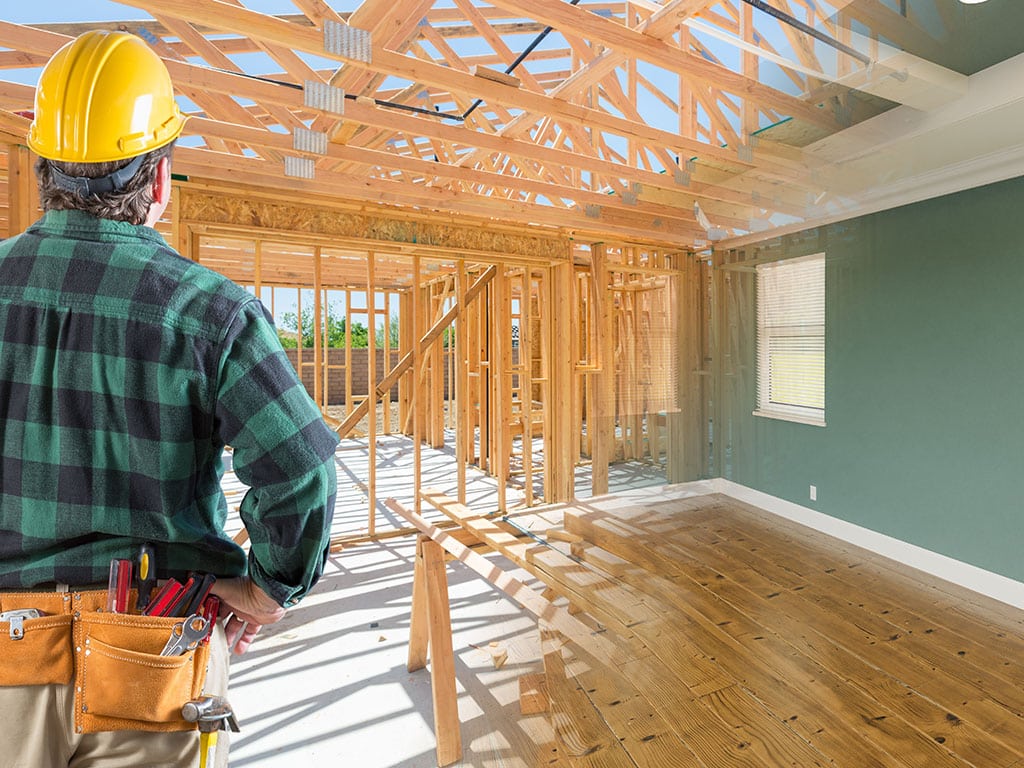
How to Choose the Right Contractor for Your Home Improvement Project

Choosing the right contractor is one of the most important decisions you’ll make when planning a home improvement project. Whether you’re remodeling a kitchen, updating a bathroom, or completing a major renovation, the contractor you hire can significantly impact the quality, timeline, and overall success of the work. With so many options available, understanding how to evaluate and select a professional you can trust will help ensure a smooth and rewarding experience.

Define Your Project Scope and Goals

Before reaching out to contractors, it’s essential to clearly define what you want to accomplish. Outline the size of the project, desired materials, design preferences, and your overall budget. Having a clear vision allows contractors to provide accurate estimates and helps you determine whether they have the experience needed to complete your specific type of project.

Research and Gather Recommendations

Start by researching local contractors and asking for recommendations from friends, family, or neighbors who have completed similar projects. Online reviews, testimonials, and ratings can also provide insight into a contractor’s reputation. Look for consistent feedback about quality, reliability, and communication rather than focusing on a single review.

Verify Licensing, Insurance, and Credentials

A reputable contractor should be properly licensed and insured according to local and state regulations. Licensing demonstrates that the contractor meets industry standards, while insurance protects both you and the contractor in case of accidents or damage. Verifying credentials helps reduce risk and ensures compliance with legal requirements.

Review Experience and Past Work

Experience matters when it comes to home improvement. Ask potential contractors about their background, areas of specialization, and years in business. Reviewing portfolios, photos of completed projects, or visiting past job sites can give you a better understanding of their craftsmanship and style, helping you determine if their work aligns with your expectations.

Request Detailed Written Estimates

Obtaining written estimates from multiple contractors allows you to compare costs and services fairly. A detailed estimate should include labor, materials, timelines, and any additional fees. Be cautious of estimates that seem unusually low, as they may indicate lower-quality materials or hidden costs that could arise later.

Evaluate Communication and Professionalism

Clear communication is essential throughout any home improvement project. Pay attention to how responsive and transparent a contractor is during the initial consultation process. A professional contractor should listen carefully, answer questions clearly, and explain the project plan in a way that makes you feel comfortable and informed.

Understand the Contract Terms

Before signing any agreement, review the contract thoroughly. It should outline the scope of work, payment schedule, start and completion dates, and warranty information. Understanding these terms helps prevent misunderstandings and provides a clear framework for how the project will be managed from start to finish.

Ask About Project Management and Subcontractors

Many contractors work with subcontractors for specialized tasks such as plumbing or electrical work. Ask who will be managing the project daily and how subcontractors are selected and supervised. Knowing who will be on-site and how coordination is handled can help ensure accountability and consistent quality.

Check References and Follow Up

Speaking directly with past clients can provide valuable insight into a contractor’s work ethic and reliability. Ask references about their experience, whether the project stayed on schedule, and how issues were handled. Following up on references adds an extra layer of confidence before making a final decision.

Consider Value Over Price

While budget is important, choosing a contractor based solely on price can lead to disappointing results. The best contractor offers value through quality workmanship, clear communication, and dependable service. Investing in the right professional often leads to better long-term outcomes and fewer costly repairs.

Trust Your Instincts and Make a Confident Choice

Finally, trust your instincts when selecting a contractor. If something feels off during the selection process, it’s worth exploring other options. Choosing a contractor you feel comfortable working with sets the tone for a positive experience and helps ensure your home improvement project is completed successfully.

Setting the Foundation for a Successful Project

Selecting the right contractor requires time, research, and thoughtful evaluation, but the effort pays off. By choosing a qualified and trustworthy professional, homeowners can move forward with confidence, knowing their home improvement project is in capable hands and built to last.

How to Finance Energy-Efficient Upgrades for Your Home

Upgrading your home to be more energy-efficient is one of the best investments you can make, both for your wallet and the environment. Whether it’s installing solar panels, upgrading insulation, or replacing old windows with energy-efficient models, energy-efficient upgrades can lead to significant savings on your utility bills while increasing your home’s value.

However, making these upgrades often requires a significant investment. The good news is that there are several ways to finance these energy-efficient improvements without breaking the bank. In this blog, we’ll explore various financing options available for homeowners looking to make energy-efficient upgrades and provide tips to help you decide the best path for your project.

Why Should You Consider Energy-Efficient Upgrades?

Before diving into financing options, let’s take a look at why energy-efficient upgrades are worth the investment:

  1. Lower Utility Bills: The most immediate benefit of energy-efficient upgrades is the reduction in monthly energy costs. Upgrades such as energy-efficient windows, improved insulation, and high-efficiency HVAC systems can lower your electricity and heating bills over time.
  2. Increased Home Value: Homes with energy-efficient features tend to have a higher resale value. Many homebuyers are willing to pay a premium for homes that are already equipped with energy-saving appliances and features.
  3. Environmental Benefits: Making your home more energy-efficient reduces your carbon footprint by conserving energy. This helps contribute to a greener environment and supports sustainability efforts.
  4. Long-Term Savings: Although the upfront costs of energy-efficient upgrades can be significant, the long-term savings on utility bills make it a smart financial decision in the long run.

Financing Options for Energy-Efficient Upgrades

Now that you know why energy-efficient upgrades are worth considering, let’s explore how to finance these improvements. There are various financing options available, depending on the scale of the project, your budget, and your creditworthiness. Here are some of the most popular options:

1. Home Equity Line of Credit (HELOC)

If you have significant equity in your home, a Home Equity Line of Credit (HELOC) is one of the best ways to finance energy-efficient upgrades. A HELOC allows you to borrow against the equity you’ve built in your home, giving you access to a line of credit that you can draw on as needed.

  • Flexible Borrowing: A HELOC provides you with flexibility, allowing you to borrow and repay funds as needed, making it ideal for larger, ongoing energy-efficient projects.
  • Lower Interest Rates: Because a HELOC is secured by your home, it typically comes with lower interest rates than unsecured loans, making it an affordable option.
  • Tax Deductions: In some cases, interest paid on a HELOC can be tax-deductible, especially if the funds are used for home improvements.

2. Home Equity Loan

Similar to a HELOC, a home equity loan allows you to borrow against your home’s equity. However, unlike a HELOC, a home equity loan provides a lump sum upfront with fixed interest rates and fixed monthly payments.

  • Fixed Rates: Home equity loans often have fixed interest rates, making it easier to budget for monthly payments.
  • Larger Loan Amounts: If you’re planning for major energy-efficient upgrades (such as installing solar panels or replacing a heating system), a home equity loan can provide the funds you need.
  • Tax Benefits: Like HELOCs, interest on a home equity loan may be tax-deductible if used for home improvements.

3. Energy-Efficiency Financing Programs

Many states and local governments, including those in Florida, offer specialized financing programs for energy-efficient home improvements. These programs are designed to make it easier for homeowners to access funding for green upgrades. Some of these programs offer low-interest loans, rebates, or even tax incentives for installing energy-saving systems.

  • Low Interest Rates: Government-backed loans and financing programs often have low or even 0% interest rates, making them affordable options for homeowners.
  • Rebates and Incentives: Many programs offer rebates or tax incentives for energy-efficient upgrades like solar panels, energy-efficient windows, and insulation.
  • Specialized Programs: These programs are specifically designed to help homeowners reduce energy consumption, and some may offer longer repayment terms to make the investment easier to manage.

4. Personal Loans

If you don’t have enough equity in your home or prefer an unsecured option, a personal loan could be a good choice. Personal loans are typically easier and faster to obtain than home equity loans or lines of credit, and they don’t require you to put your home up as collateral.

  • Quick Access to Funds: Personal loans usually have a quick application and approval process, meaning you can get the funds you need for your energy-efficient upgrades sooner.
  • No Collateral Required: Since personal loans are unsecured, you won’t risk your home or other assets if you’re unable to repay the loan.
  • Fixed Terms: Many personal loans come with fixed interest rates and terms, helping you budget effectively for your project.

5. Credit Cards

For smaller, less expensive energy-efficient upgrades, using a credit card may be a viable option. Many credit cards offer promotional 0% APR for an introductory period, which can help you finance the cost of the upgrades without paying interest for several months.

  • Immediate Access to Funds: If your energy-efficient project is smaller (e.g., replacing appliances or installing a smart thermostat), credit cards offer fast access to funds.
  • Rewards and Benefits: Some credit cards offer cashback, travel points, or other rewards for purchases, which can be a nice bonus for using the card to pay for home upgrades.

6. Solar Loans

If you’re looking to install solar panels, there are specialized solar loans available. These loans are designed specifically for financing solar energy systems, making it easier to access the funds needed for a solar installation.

  • Solar-Specific Financing: These loans are tailored for solar panel installations, and some may even offer incentives like rebates or lower interest rates.
  • Flexible Terms: Solar loans often come with flexible repayment terms to make solar energy more affordable.

Final Thoughts: How to Choose the Best Financing Option

Choosing the right financing option for your energy-efficient upgrades depends on your financial situation, the scope of the project, and the time frame for repayment. Whether you’re looking to make smaller improvements or install large-scale systems like solar panels, there are financing solutions available to help make your energy-efficient upgrades more affordable.

At Express Financing Solutions, we specialize in helping Florida homeowners access financing options for all types of home improvement projects, including energy-efficient upgrades. Contact us today to learn more about how we can help you finance your energy-saving renovations and take the first step toward a more sustainable, cost-effective home!

How to Finance Home Repairs After a Florida Storm

Florida is no stranger to intense storms, from hurricanes to tropical storms and heavy rainfall. These storms can cause significant damage to homes, leaving homeowners with costly repairs. Whether it’s a damaged roof, broken windows, or flooding, dealing with the aftermath of a storm can be overwhelming—especially when it comes to financing the repairs.

In this blog, we’ll discuss various options available to help Florida homeowners finance repairs after a storm. From insurance claims to government programs and loan options, we’ll guide you through the best ways to fund your storm-related home repairs, ensuring that your home is restored to its former condition without financial strain.

1. Utilize Your Homeowner’s Insurance

The first step in financing storm-related repairs is to contact your homeowner’s insurance provider. Many insurance policies cover damage caused by storms, including wind, rain, hail, and flooding (if you have the appropriate coverage). Filing an insurance claim can be one of the easiest and most cost-effective ways to finance repairs.

  • Document the Damage: As soon as it’s safe to do so, document the damage with photos or videos. This will help with the claims process and ensure that all areas are addressed.
  • Contact Your Insurance Company: Call your insurance provider as soon as possible to file a claim. Make sure to understand your policy’s coverage limits and deductibles.
  • Get Estimates: Insurance companies may require you to get repair estimates before they approve your claim. Make sure to get multiple estimates from reputable contractors.

Benefit of using insurance:

  • Reduced Out-of-Pocket Costs: If your insurance policy covers storm damage, it can significantly reduce the amount you need to spend on repairs, leaving you with lower out-of-pocket expenses.

Things to consider:

  • Deductibles: Many insurance policies have deductibles that must be paid before coverage kicks in. Be sure to understand your deductible amount and plan accordingly.
  • Coverage Limitations: Some policies may not cover all types of storm damage. For example, flooding may not be covered under a standard homeowner’s insurance policy, which would require separate flood insurance.

2. Explore Federal Disaster Assistance

In the aftermath of major storms, the federal government may provide assistance to homeowners through the Federal Emergency Management Agency (FEMA). If your home has been severely damaged by a storm, you may be eligible for disaster relief funds to help pay for repairs.

  • Check Eligibility: After a major storm, FEMA provides disaster relief funds to eligible homeowners. Check the FEMA website or call their hotline to determine if you qualify for assistance based on the severity of the damage.
  • Submit Your Application: If you’re eligible, you can apply for disaster assistance online or by phone. FEMA may provide grants or low-interest loans for home repairs and other recovery costs.

Benefits of FEMA assistance:

  • Grants and Loans: FEMA may offer grants to help with essential repairs, as well as low-interest loans for more extensive damage.
  • Special Programs: For low-income households, there may be additional assistance programs to ease the financial burden of repairs.

Things to consider:

  • Application Process: The process of applying for FEMA assistance can be time-consuming, and not all storm-related damages may be covered.
  • Eligibility Requirements: FEMA assistance is typically reserved for those whose homes have been severely damaged, so minor repairs may not be eligible for funding.

3. Consider a Home Equity Loan or HELOC

If you don’t have sufficient insurance coverage or federal assistance, you may want to consider using a Home Equity Loan or Home Equity Line of Credit (HELOC) to finance the cost of storm repairs. These options allow you to borrow against the equity you’ve built in your home.

  • Access to Large Sums of Money: Home equity loans and HELOCs allow you to access a large amount of money based on the value of your home.
  • Low Interest Rates: Since these loans are secured by your home, they often come with lower interest rates compared to unsecured loans.
  • Flexible Terms: HELOCs, in particular, offer flexible borrowing options, allowing you to borrow and repay funds as needed throughout the repair process.

Things to consider:

  • Risk to Your Home: Because these loans are secured by your home, failing to repay could result in foreclosure. Be sure you can manage the repayment terms before proceeding.
  • Approval Process: You’ll need to meet specific credit and income requirements to qualify for a home equity loan or HELOC.

4. Personal Loans

For homeowners who don’t have enough equity in their home or prefer not to use their home as collateral, a personal loan may be a good alternative. Personal loans are typically unsecured, meaning they don’t require you to put your home or assets at risk. These loans are often easier to qualify for and can provide you with the funds you need to cover storm repairs.

  • No Collateral Required: Personal loans don’t require collateral, so you won’t risk losing your home or other assets.
  • Quick Access to Funds: Personal loans can be processed quickly, allowing you to get the funds you need in a timely manner.
  • Fixed Terms and Payments: Many personal loans come with fixed interest rates and repayment schedules, making it easier to budget for repairs.

Things to consider:

  • Higher Interest Rates: Personal loans often have higher interest rates than home equity loans or HELOCs, especially if you have a lower credit score.
  • Loan Limits: Depending on your creditworthiness, you may be limited in how much you can borrow with a personal loan, which may not be sufficient for major storm repairs.

5. Government-Backed Loans for Home Repairs

In some cases, you may be eligible for a FHA 203(k) Loan or a VA Loan if you are a veteran, which can help you finance repairs or rebuilding after a storm. These loans are designed for home improvement and can provide funds for both necessary repairs and upgrades to make your home safer.

  • Low-Interest Rates: FHA 203(k) loans often come with lower interest rates, which can make repayment more affordable.
  • Large Loan Amounts: These loans can cover both the cost of repairs and any upgrades you may want to make to improve the storm resilience of your home.

Things to consider:

  • Eligibility Requirements: Government-backed loans have specific eligibility requirements, such as credit score minimums, which may limit access for some homeowners.
  • Approval Process: The application process for FHA or VA loans can be lengthy and may require additional paperwork.

6. Credit Cards (For Smaller Repairs)

For smaller repairs or short-term fixes, using a credit card may be a viable option. Many credit cards offer promotional 0% APR for a certain period, allowing you to pay off the cost of repairs without accruing interest in the short term.

  • Immediate Access to Funds: Credit cards provide quick access to funds, which can be useful for emergency repairs that need to be completed right away.
  • Rewards and Benefits: Some credit cards offer rewards or cashback, which can be beneficial for homeowners who are making purchases for repairs.

Things to consider:

  • High-Interest Rates After Introductory Period: Once the 0% APR period ends, interest rates can skyrocket, making it a more expensive option for long-term financing.
  • Low Credit Limits: Depending on your credit limit, using a credit card for larger repairs may not be feasible.

Financing Your Storm Repairs in Florida

Financing home repairs after a storm can be a daunting process, but with the right strategy, you can restore your home without financial stress. From utilizing insurance claims to applying for federal disaster assistance or securing loans, there are various financing options available to help you get your home back in shape after a storm.

At Express Financing Solutions, we understand the challenges Florida homeowners face after a storm. We’re here to help you navigate your financing options and get the funds you need for storm repairs, ensuring your home is safe, secure, and restored. Contact us today to learn more about how we can assist you with financing your storm-related home repairs!

Top 5 Home Improvement Projects to Finance in Florida This Year

Home improvement projects can significantly enhance the value and comfort of your Florida home. Whether you’re aiming to increase your property’s resale value, improve functionality, or simply create a more comfortable living space, financing can help you achieve your renovation goals. With the right financing, you can turn your dream renovation into a reality while ensuring it fits within your budget.

In this blog, we’ll explore the top 5 home improvement projects that Florida homeowners are investing in this year and provide insights on how to finance them. These projects will not only improve your home’s aesthetics but can also increase its value and efficiency.

1. Kitchen Renovations: The Heart of Your Home

The kitchen is often considered the heart of the home, and it’s one of the most popular areas for home renovations in Florida. Whether you’re looking to upgrade outdated appliances, install new countertops, or completely redesign the layout, a kitchen renovation is an excellent investment. A modern, functional kitchen can enhance your home’s appeal and make cooking and entertaining easier and more enjoyable.

Why finance your kitchen renovation?

  • Increase Home Value: Kitchen remodels provide a high return on investment, often recouping a significant portion of the renovation cost when you sell.
  • Energy Efficiency: Upgrading to energy-efficient appliances and fixtures can reduce long-term utility costs.
  • Enhanced Functionality: A well-planned kitchen remodel can improve the flow of your space, making cooking and hosting more efficient.

Financing Tip: You may want to consider a Home Equity Loan or HELOC if you have significant equity in your home. These options typically offer lower interest rates and can be a great way to cover the cost of a major kitchen overhaul.

2. Bathroom Remodels: Revitalize Your Personal Space

A bathroom remodel is another home improvement project that can add significant value to your Florida home. Whether you’re looking to add a spa-like atmosphere with a new soaking tub or increase functionality with a larger shower, upgrading your bathroom can improve your quality of life. A well-designed bathroom is not only a sanctuary but also a major selling point when it comes to real estate.

Why finance your bathroom remodel?

  • Increase Resale Value: A renovated bathroom can increase your home’s value, especially if it’s outdated or cramped.
  • Comfort and Luxury: Adding features like a rainfall shower or heated floors can enhance your comfort and make your bathroom feel more luxurious.
  • Functionality: If your bathroom is small or inefficient, a remodel can improve storage and overall usability.

Financing Tip: Personal loans or a Home Equity Line of Credit (HELOC) may be ideal for financing a bathroom renovation, especially if the project is smaller or if you prefer flexible borrowing terms.

3. Outdoor Living Space: Create Your Florida Oasis

Florida’s sunny weather makes outdoor living spaces a top priority for many homeowners. Creating a beautiful outdoor living area can extend your living space, allowing you to enjoy the outdoors year-round. Whether you’re adding a patio, building a pool, or installing an outdoor kitchen, financing your outdoor renovation can help you turn your backyard into a luxurious retreat.

Why finance your outdoor living space?

  • Increased Home Value: An upgraded outdoor living area can increase the overall value of your property, especially in Florida where outdoor living is a major selling point.
  • Entertainment Potential: An outdoor kitchen, fire pit, or pool provides ample space for entertaining guests and enjoying family gatherings.
  • Energy Savings: Landscaping and outdoor features such as shade structures or energy-efficient lighting can also help reduce energy costs.

Financing Tip: For large outdoor renovations, a Home Equity Loan or HELOC can provide the necessary funds at a lower interest rate. If your project is smaller, a personal loan may be sufficient to cover the costs.

4. Energy-Efficient Upgrades: Save Money and the Environment

As energy prices continue to rise, Florida homeowners are increasingly investing in energy-efficient upgrades to reduce utility bills and their environmental impact. These upgrades include things like new windows, energy-efficient appliances, solar panels, and better insulation. Not only do these improvements reduce your carbon footprint, but they can also save you money in the long run.

Why finance energy-efficient upgrades?

  • Lower Utility Bills: Energy-efficient windows, appliances, and insulation can lower your monthly energy bills significantly.
  • Increase Property Value: Energy-efficient homes are increasingly in demand, and potential buyers are willing to pay more for homes with these upgrades.
  • Environmental Benefits: By reducing energy consumption, you’re making a positive impact on the environment while also reducing long-term costs.

Financing Tip: A Personal Loan can be a good choice for financing smaller energy-efficient upgrades, while a HELOC or Home Equity Loan might be more suitable for larger projects such as solar panel installations or whole-house upgrades.

5. Roof Replacements: Protect Your Home and Family

In Florida, where severe weather and storms are common, having a sturdy, reliable roof is crucial to protecting your home. If your roof is aging or has been damaged by a storm, replacing it is essential to maintain the integrity of your home. A new roof not only provides better protection but also improves your home’s curb appeal and can lower your home insurance premiums.

Why finance your roof replacement?

  • Protection from Storms: Florida’s unpredictable weather makes a strong, reliable roof crucial to protect your home and belongings.
  • Increase Home Value: A new roof is a valuable investment that adds to your home’s resale value.
  • Insurance Savings: A new roof may qualify you for discounts on homeowners insurance, making the investment even more worthwhile.

Financing Tip: Since roof replacements can be expensive, a Home Equity Line of Credit (HELOC) or Home Equity Loan can be a great way to finance this type of project with lower interest rates. If you don’t have enough equity, a personal loan may be a good alternative.

Financing Your Home Improvement Projects

Home improvements are a great way to enhance the comfort, functionality, and value of your Florida home. Whether you’re planning a major kitchen remodel, creating an outdoor living space, or upgrading your home’s energy efficiency, securing the right financing is crucial to ensuring your project stays within budget and is completed successfully.

At Express Financing Solutions, we specialize in helping Florida homeowners access customized financing options for all types of home improvement projects. Our partnerships with trusted contractors ensure that you get the best possible rates and terms on the market, making it easier to transform your home into the space of your dreams.

If you’re ready to finance your next home renovation, contact us today to learn more about your financing options. Let’s work together to bring your vision to life this year!

5 Tips for Securing the Best Home Improvement Financing Rates in Florida

Home improvement projects can be incredibly rewarding, but they often require financing to make your dreams a reality. Whether you’re renovating your kitchen, adding a sunroom, or upgrading your bathroom, getting the best financing rate can make a huge difference in the overall cost of your project. In Florida, where homeowners are constantly investing in their properties due to the dynamic real estate market, securing favorable financing rates is key to maintaining your budget while enhancing your home.

If you’re looking for the best home improvement financing rates in Florida, you’re in the right place. Here are five essential tips that can help you secure the best possible financing terms for your next home renovation project.

1. Check Your Credit Score Before You Apply

Your credit score plays a major role in the interest rates you’ll be offered for home improvement loans. Lenders use your credit score to assess your risk as a borrower—higher scores typically lead to lower interest rates because they suggest you’re a reliable borrower. In contrast, a lower credit score may result in higher rates or difficulty qualifying for a loan.

Tip: Before you apply for financing, check your credit report and score. If your score is below 700, consider taking some time to improve it. Pay down high-interest debts, correct any errors on your credit report, and avoid making large purchases on credit. The higher your credit score, the better the financing rates you can access.

Resources:

  • Request a free credit report from each of the three credit bureaus—Experian, Equifax, and TransUnion—once a year through AnnualCreditReport.com.
  • Use credit score tracking services to monitor your progress and improve your score over time.

2. Shop Around for the Best Rates

Don’t settle for the first loan offer you receive. It’s essential to shop around and compare different financing options from a variety of lenders, including banks, credit unions, online lenders, and even home improvement companies like Express Financing Solutions.

Tip: Compare interest rates, terms, fees, and other important factors such as prepayment penalties or late fees. Lenders may offer different types of loans (home equity loans, personal loans, HELOCs, etc.), each with its own advantages and disadvantages. Take the time to explore these options to ensure you get the best deal.

Why Shop Around?

  • A small difference in interest rates can add up to significant savings over the life of your loan.
  • Shopping around allows you to find the loan terms that best fit your specific project needs, whether you’re looking for flexibility or predictable monthly payments.

3. Consider a Secured Loan to Lower Your Rates

If you have significant equity in your Florida home, a secured loan, such as a Home Equity Line of Credit (HELOC) or a home equity loan, could provide lower interest rates compared to unsecured loans like personal loans or credit cards.

Tip: By securing the loan with your home, you’re reducing the lender’s risk, which typically leads to lower interest rates. These loans are often ideal for larger home improvement projects where you need a more substantial loan amount.

Benefits of Secured Loans:

  • Lower interest rates due to the collateral (your home).
  • Larger loan amounts, which are useful for extensive home renovations.
  • Potentially tax-deductible interest on the loan if used for home improvements.\

Warning: Keep in mind that since the loan is secured by your home, failing to repay could result in losing your property. Always be sure you can manage the payments before proceeding with this option.

4. Choose the Right Loan Type for Your Project

Different home improvement projects may require different types of financing, and understanding which loan type works best for your specific project can help you secure the best rates. For example, small projects might be better suited to personal loans or credit cards, while larger, more extensive renovations may benefit from a home equity loan or a government-backed loan like the FHA 203(k) loan.

Tip: Match your loan type to the size and scope of your renovation project. For example:

  • Personal loans can be great for smaller, more immediate renovations, as they often have quicker approval times and fewer requirements.
  • Home equity loans or HELOCs are ideal for larger projects like full kitchen remodels or room additions because they typically offer lower interest rates and larger loan amounts.
  • FHA 203(k) loans can help if you’re purchasing a fixer-upper or need significant renovations, as these loans combine home purchase and renovation financing in one.

Understanding which loan product fits your project will help you avoid overpaying for unnecessary features and ensure that you’re not taking on more debt than you need.

5. Maintain a Healthy Debt-to-Income Ratio

Lenders assess your debt-to-income (DTI) ratio to determine how much additional debt you can handle. A lower DTI ratio means you’re less likely to miss payments and are seen as a safer borrower. Keeping your DTI ratio low is crucial in securing a favorable financing rate.

Tip: Pay down existing debts before applying for financing. The lower your monthly debt obligations, the better your chances of securing a loan with a favorable rate. For instance, paying off credit cards or car loans will reduce your DTI and can help you qualify for better financing terms.

How to Calculate Your Debt-to-Income Ratio:

  1. Add up all of your monthly debt payments (mortgage, car loans, credit card payments, student loans, etc.).
  2. Divide that total by your gross monthly income (before taxes).
  3. Multiply the result by 100 to get the percentage.

For example, if you have $2,000 in monthly debt payments and your monthly income is $6,000, your DTI ratio is 33%. Lenders typically prefer a DTI ratio below 36%, though some may accept higher ratios depending on your creditworthiness and loan type.

Maximize Your Chances of Securing the Best Financing Rates

Securing the best home improvement financing rates in Florida is all about preparation, comparison, and understanding your financial situation. By checking your credit score, shopping around for the best rates, considering secured loan options, choosing the right loan type, and maintaining a healthy debt-to-income ratio, you can increase your chances of getting a great deal.

At Express Financing Solutions, we’re dedicated to helping Florida homeowners access customized financing options to make their home improvement projects a reality. Our partnerships with reputable contractors and lenders ensure that you get the best rates and terms available on the market.

If you’re ready to finance your next home renovation, contact us today to discuss your options. Let’s help you bring your home improvement vision to life with the best possible financing plan!